

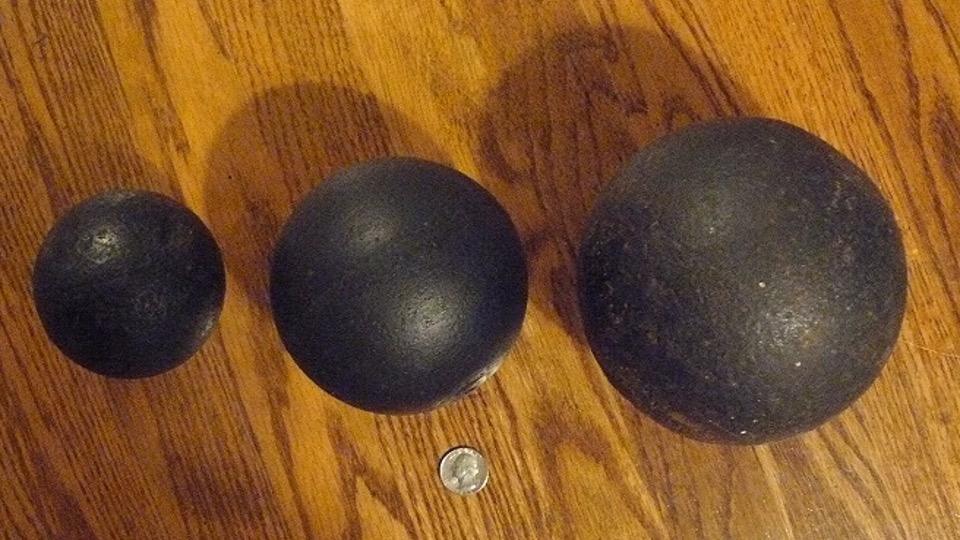
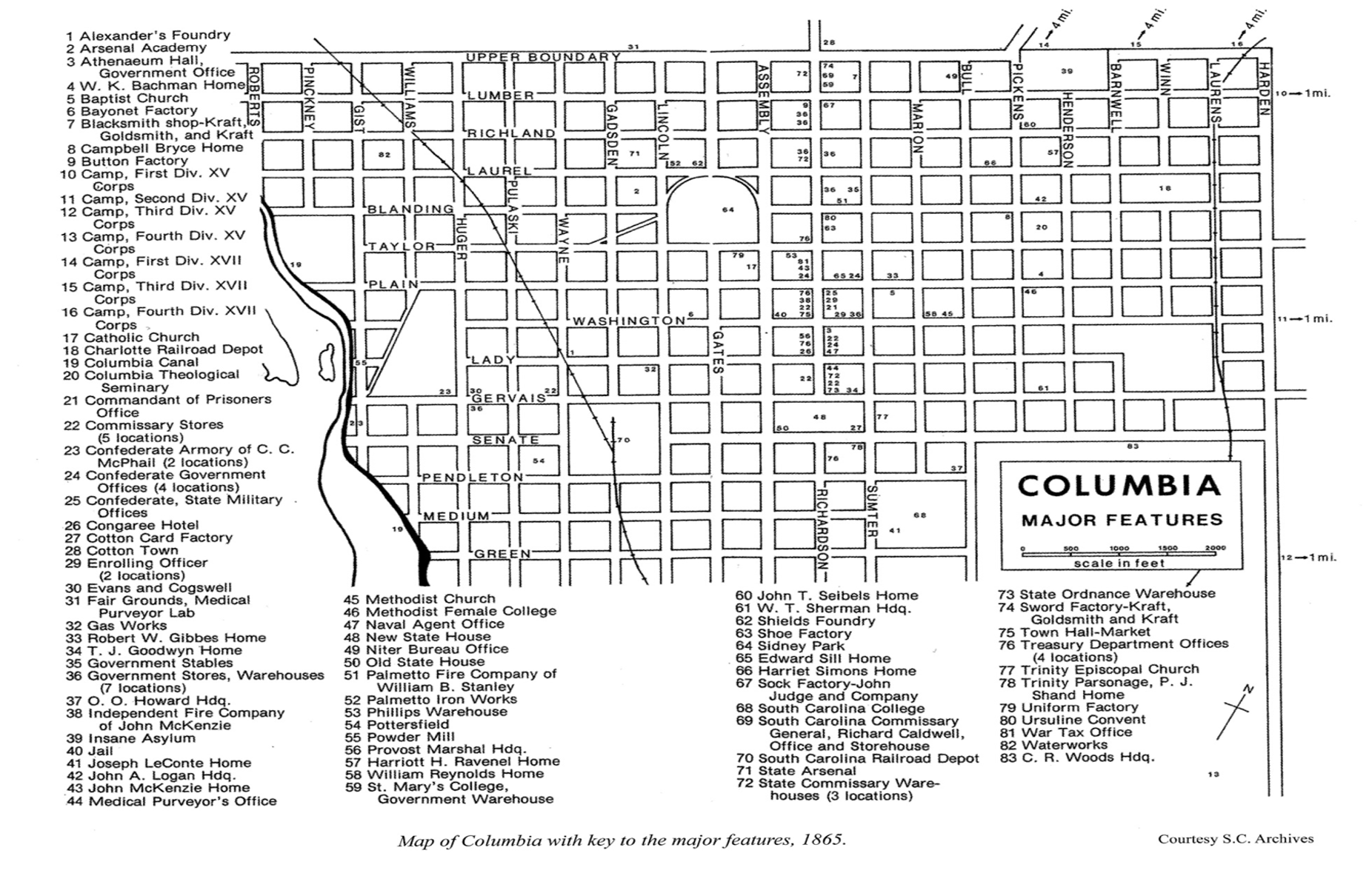
When Gen. William Tecumseh Sherman took Columbia in 1865, he captured a lot of stored Confederate munitions. Not wanting them to be used against his army as it marched farther north, he had his men dump them all into the Congaree River, near what would later be the Gervais Street Bridge.
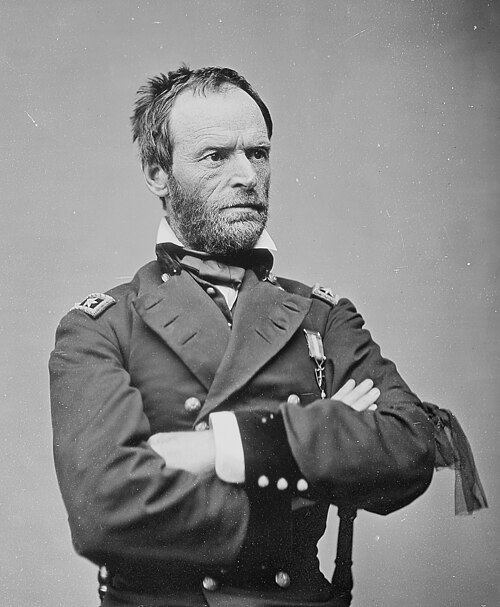
Portrait
It would take 150 years before anyone tackled the task of cleaning up the mess on the river’s bottom. Some of those munitions will find a home nearby in the South Carolina Confederate Relic Room and Military Museum.
Sean Norris, archaeological program manager at TRC Companies, will tell all about that project and what was found in a free lecture, “Artifacts from the Congaree River,” at noon on Friday, April 3, in the Theater of the Richland Library main location on Assembly Street in Columbia. The program is part of the museum’s regular Noon Debrief program, and the public is invited.
Of course, war materiel wasn’t the only focus of the many specialists who worked on that project. In fact, it wasn’t the original reason for the cleanup.
The main concern was coal tar, which had settled on the bottom in that area as a result of proximity to a plant on Huger Street that produced flammable gas – the kind used for heating, cooking and lighting – from 1906 to 1954. Among the noxious substances found in that tar was benzene, a carcinogen. The levels in the sediment exceeded what was considered safe in soil.
That was in an area popular for wading, fishing and tubing. “People got tar on their feet, and sometimes felt a tingling sensation,” explains Norris. SCANA Corporation – predecessor of Dominion Energy – got to work at the urging of the Congaree Riverkeeper.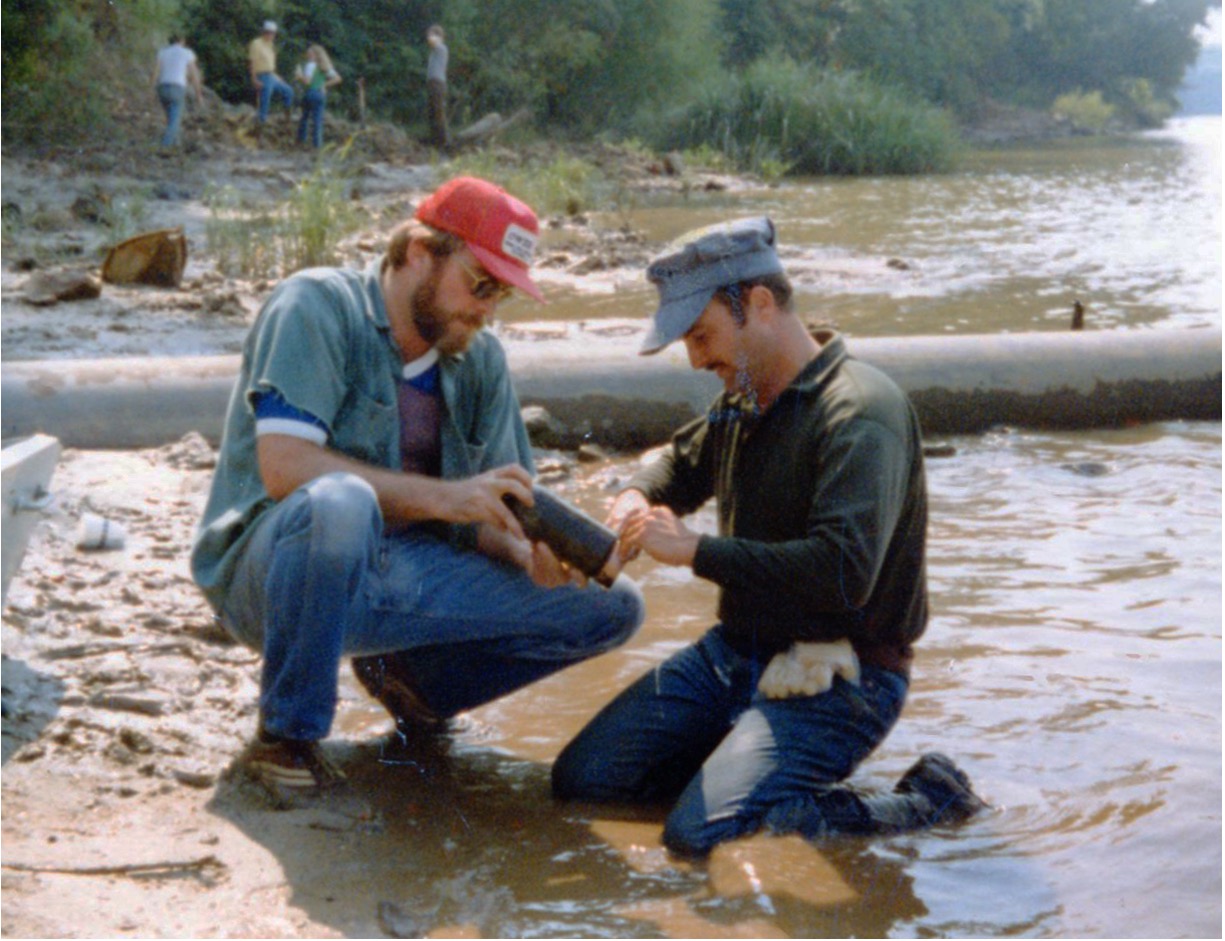
The treasure trove for military historians was a side effect of the environmental cleanup. “We’ve been involved since 2010” to help plan the recovery of the military ordnance amid the contaminated sediment, said Norris. Back in 1865, Sherman had detailed about 200 men and 50 wagons to spend approximately two days collecting and disposing of materiel found in various sites in the captured city.
That included cannonballs, small arms, a saber, a wagon wheel and other items containing metal. As for the cannonballs, “We did find a couple that had the potential to explode,” said Norris, but many of the balls were of the older kind that predated filling the projectiles with explosive powder.
About 300 of the Civil War era artifacts will soon be donated to the Relic Room. Be among the first to see some of these items before the entire donation arrives.
Comments are closed.