

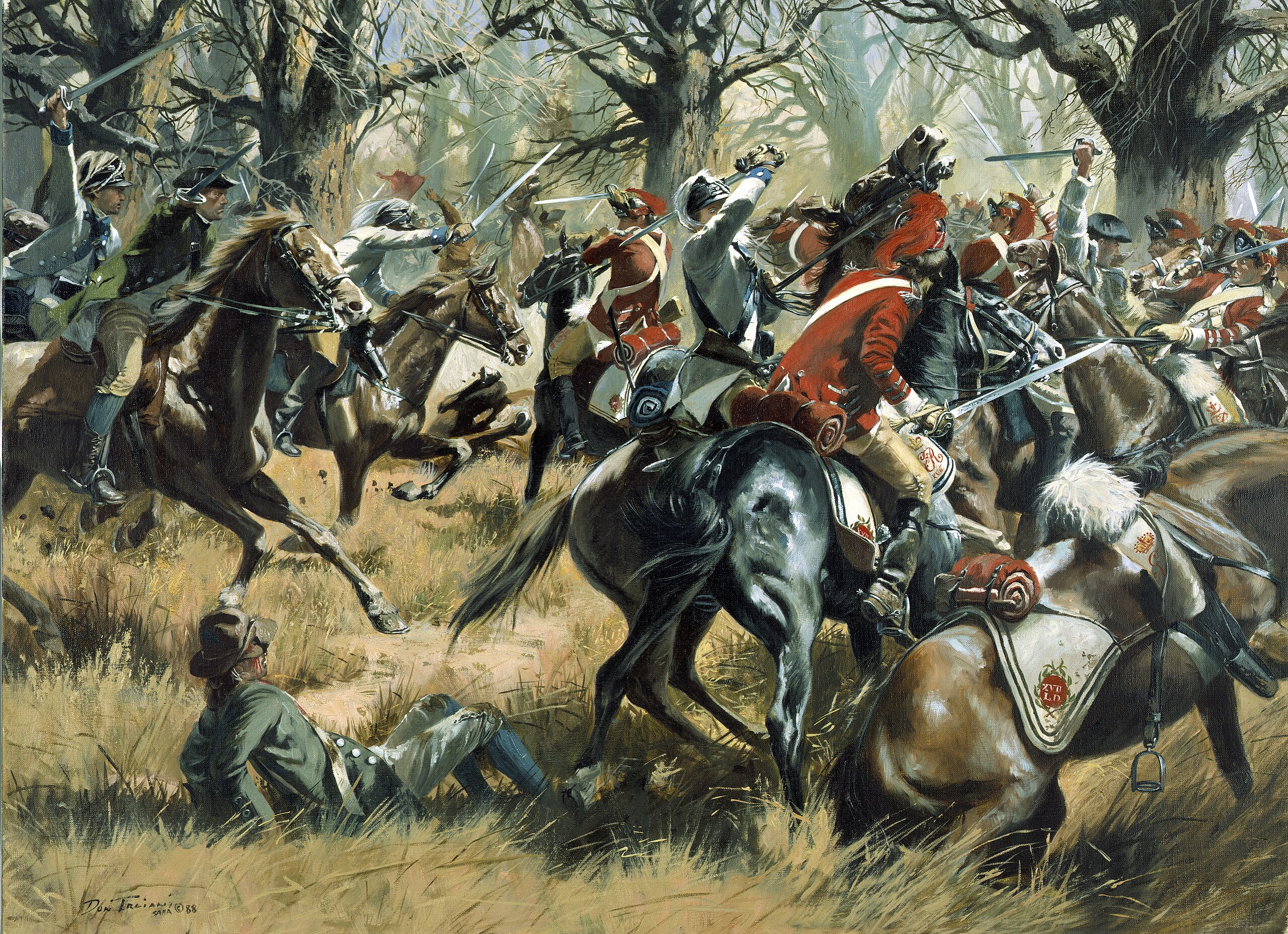
The year 1780 had seen mostly bad news for the Patriot cause in South Carolina. The British captured one American army in May at the siege of Charleston. The redcoats later defeated another American army at Camden. A victory of Patriot militiamen at Kings Mountain in October had bought time, but the king’s men still occupied most of South Carolina.
The next year started out better for the cause of independence.
On Friday, Jan. 16, 2026 – one day before the 245th anniversary of the event – Fritz Hamer will tell the story of the defeat of the most feared British commander of all in a free noon lecture at the Cayce-West Columbia Branch of Lexington County Public Library at 1500 Augusta Road in West Columbia. The talk, “The Battle of Cowpens,” is part of the South Carolina Confederate Relic Room and Military Museum’s regular Noon Debrief program, and the public is invited.
The encounter that Hamer, the Relic Room’s former curator of history, will tell about occurred in a spot not far from Spartanburg that was known as a good grazing area for local cattle. The Americans on the scene were commanded by Brigadier General Daniel Morgan.
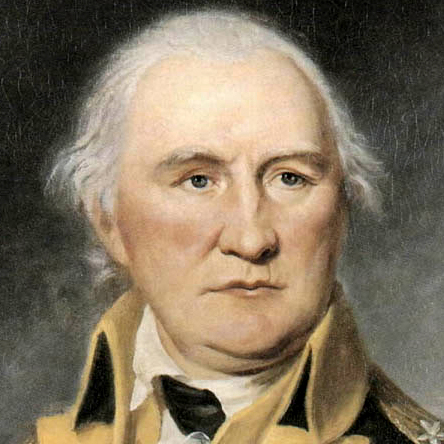
Daniel Morgan
Morgan’s military career had begun during the French and Indian War, and he began his Revolutionary War service at the siege of Boston in 1775. He had been captured at the Battle of Quebec. After his exchange in 1777, George Washington put him in command of a picked force of 500 trained riflemen, a unit that played an important role in the critical 1777 victory at Saratoga. He left the army in 1779, but a year later was promoted to brigadier general and began his service down South.
At Cowpens, Morgan was opposed by the British legend who has haunted Patriot memories for more than two centuries – Banastre Tarleton.
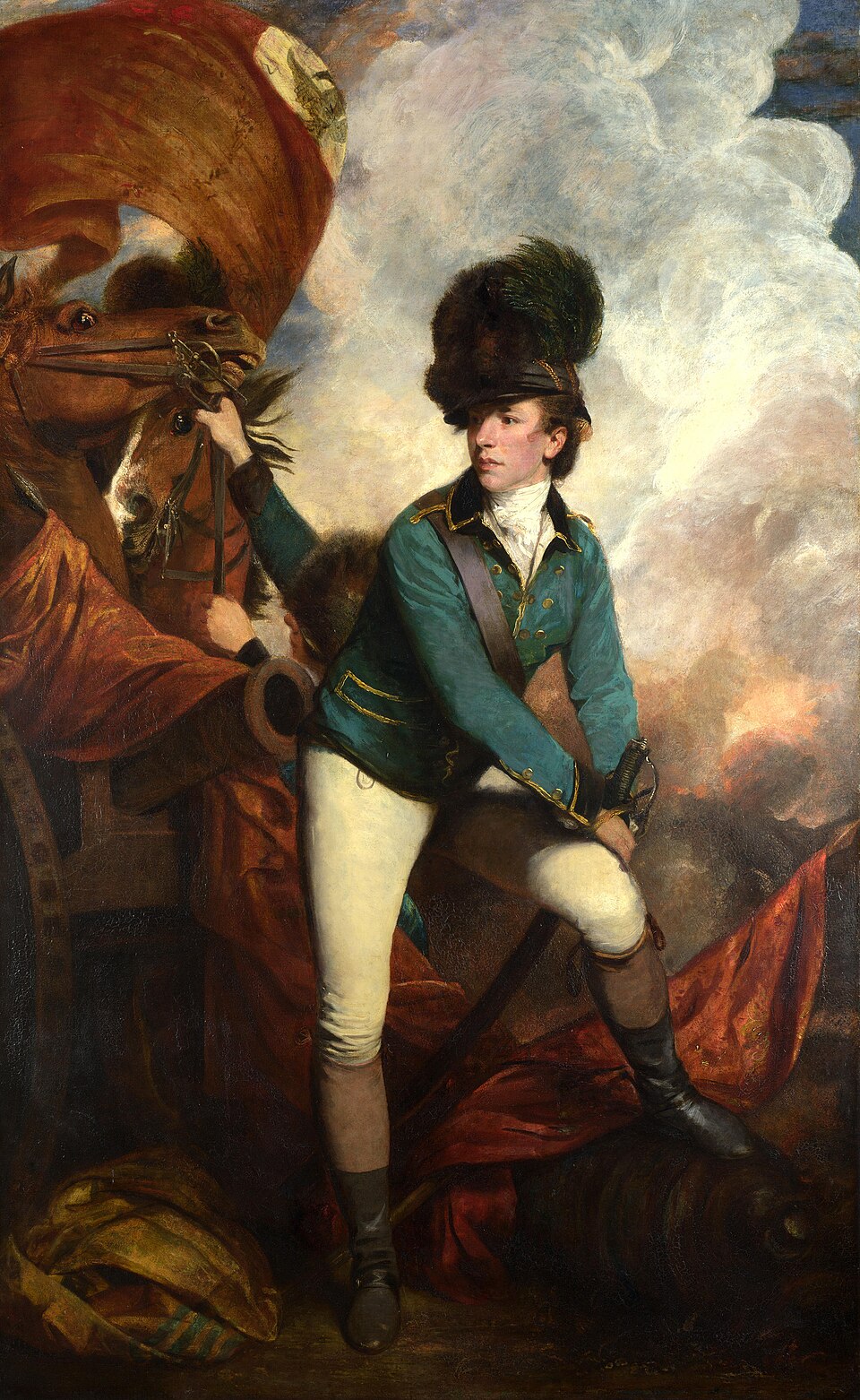
Banastre Tarleton
In this country, Tarleton is best known as the commander of the British Legion during the southern campaign of the Revolution. Back home, he was a hero. He won a baronetcy for his service in the former colonies. He became a member of Parliament, and his circle of friends would include two future kings of England.
To the American Patriots, he was a terror. His unrelenting tactics created fear among Patriot forces, while rumors of cruelty by his troops sowed hatred. The stories told about him for American propaganda purposes during the war taint his reputation to this day.
He tended to be feared because he so often won, but he had his comeuppance at Cowpens. His brigade suffered an 86 percent casualty rate, rendering it combat-ineffective. An American prisoner of war later claimed that when Tarleton reported his defeat to Lord Cornwallis, the general leaned upon his sword until the blade snapped against the ground.
Come hear the details of this American victory on Jan. 16, at the branch library in West Columbia.
Comments are closed.